
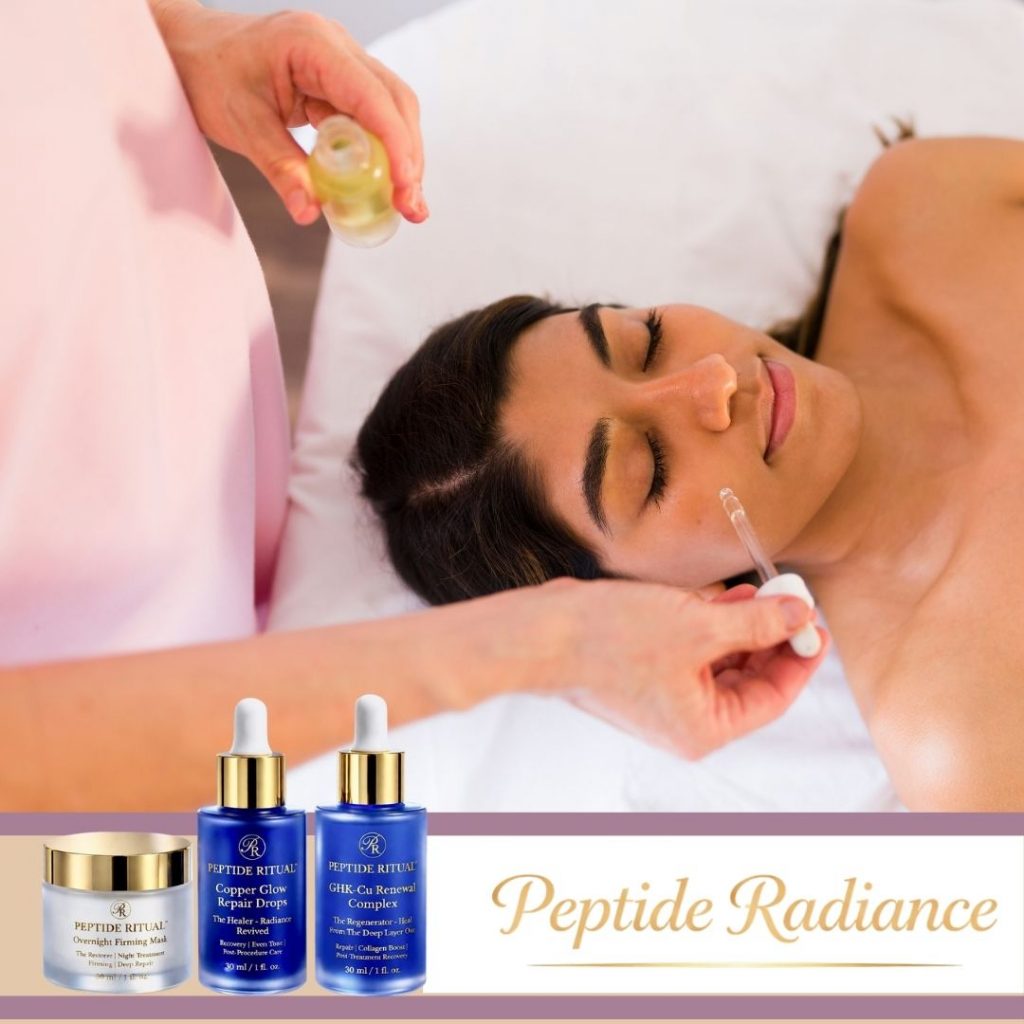
Many people wonder if peptide skincare can essentially replace Botox. While both target the visible signs of aging and are staples in modern anti-aging skincare, they operate in fundamentally different ways. If you are comparing Skin Care Peptides vs Botox, this guide will break down exactly how they work, their unique benefits, and which option makes the most sense for your anti-aging goals.
Peptides are short chains of amino acids that act as the foundational building blocks for structural proteins like collagen and elastin. When applied topically, they act as biological messengers. They signal your skin to repair itself, helping to support collagen production and improve skin firmness and texture. As a daily skincare ingredient, a high-quality peptide cream or serum works gradually to build a healthier, more resilient skin barrier from the outside in.
Botox is a highly effective, FDA-approved injectable treatment that must be performed by a licensed medical professional. Instead of building collagen, it works by temporarily relaxing specific facial muscles. This targeted muscle relaxation helps reduce dynamic wrinkles—the lines formed by repeated facial expressions, such as crow’s feet or forehead furrows. It is a clinical intervention that stops the mechanical movement causing those creases.
Understanding the contrast between these two approaches comes down to mechanics, time, and commitment.
Peptides stimulate cellular repair and collagen production for long-term structural health. Botox is a neurotoxin that temporarily blocks the nerve signals to specific facial muscles.
Peptides are applied topically at home as part of your daily routine. Botox requires needle injections in a clinical setting.
If you are wondering, How Long Do Skin Peptides Take to Work?, the answer is usually four to twelve weeks of consistent use. Botox shows visible muscle relaxation within three to seven days.
Peptides require daily application to maintain the signaling process. Botox requires re-injection every three to six months as the neurotoxin wears off.
When comparing the financial commitment of a peptide cream vs. Botox, topicals are a steady, lower-cost daily investment. Botox is a recurring, high-ticket expense costing hundreds or thousands of dollars annually.
Peptide serums easily fit into your routine with zero downtime. Botox requires scheduling appointments, traveling, and managing post-injection restrictions.
Incorporating peptides into your regimen supports healthier-looking skin holistically. They improve hydration, strengthen the skin barrier, and naturally help. Can Peptides Help Reduce Fine Lines?. Because they are non-invasive and suitable for daily use, they are considered excellent alternatives to Botox for people seeking foundational skin resilience. To maximize these benefits, it is crucial to use the Best Peptide Ingredients for Firmer Skin.
Botox excels when it comes to speed and precision. It offers a dramatic, temporary reduction in expression lines that topicals simply cannot mimic. It is a quick in-office procedure with minimal downtime, and the results typically last several months, making it ideal for deep wrinkles.
Absolutely. Many people incorporate peptide skincare before and after cosmetic procedures to optimize results. While topicals are not a substitute for medical treatment, they perfectly complement an overall skincare routine by keeping the skin structurally sound and deeply hydrated. Always consult a qualified healthcare professional for personalized advice on combining injectables with active skincare.
No, they serve different functions. Peptides build skin health and collagen gradually, while Botox instantly relaxes the muscles that cause wrinkles.
Topical peptides carry very few risks and are well-tolerated by most skin types, making them a very safe, non-invasive option compared to the medical risks of injectables.
Botox works significantly faster, yielding results in a matter of days. Peptides require weeks of consistent daily application to show visible changes.
Yes. Dermatologists highly recommend peptides for long-term structural skin support, often suggesting them alongside clinical treatments.
Yes, applying a high-quality peptide product post-Botox can enhance your skin’s overall texture, prolonging a youthful, healthy appearance between your appointments.
Ultimately, in the debate of peptides vs. Botox, both serve different purposes. Peptides support healthier, firmer-looking skin over time, while Botox is a cosmetic procedure designed to temporarily reduce certain facial wrinkles. A consistent peptide skincare routine is a valuable part of long-term skin maintenance, whether you choose injections or not.

Transforming skin through the science of peptides. Clinical results, naturally derived.