

Clinically Studied Peptide Formulas | Free shipping on over $200+

How to Use Peptides in Your Skincare Routine
(2026 Guide for Better Results)

Serum for Facial peptide skincare routine

What Peptides Do for Your Skin

Peptides are short chains of amino acids, often called the “building blocks” of proteins like collagen and elastin. In skincare, they act like tiny messengers, signaling your skin to repair itself, stay firm, and strengthen its barrier.

When you apply peptide creams or serums consistently, they can help soften fine lines, improve texture, and support a more youthful, resilient look over time. They’re also usually gentle, which makes them a smart pick if strong retinoids or acids tend to irritate your skin. Think of peptides as quiet workers in the background, slowly improving how your skin behaves and recovers every day.
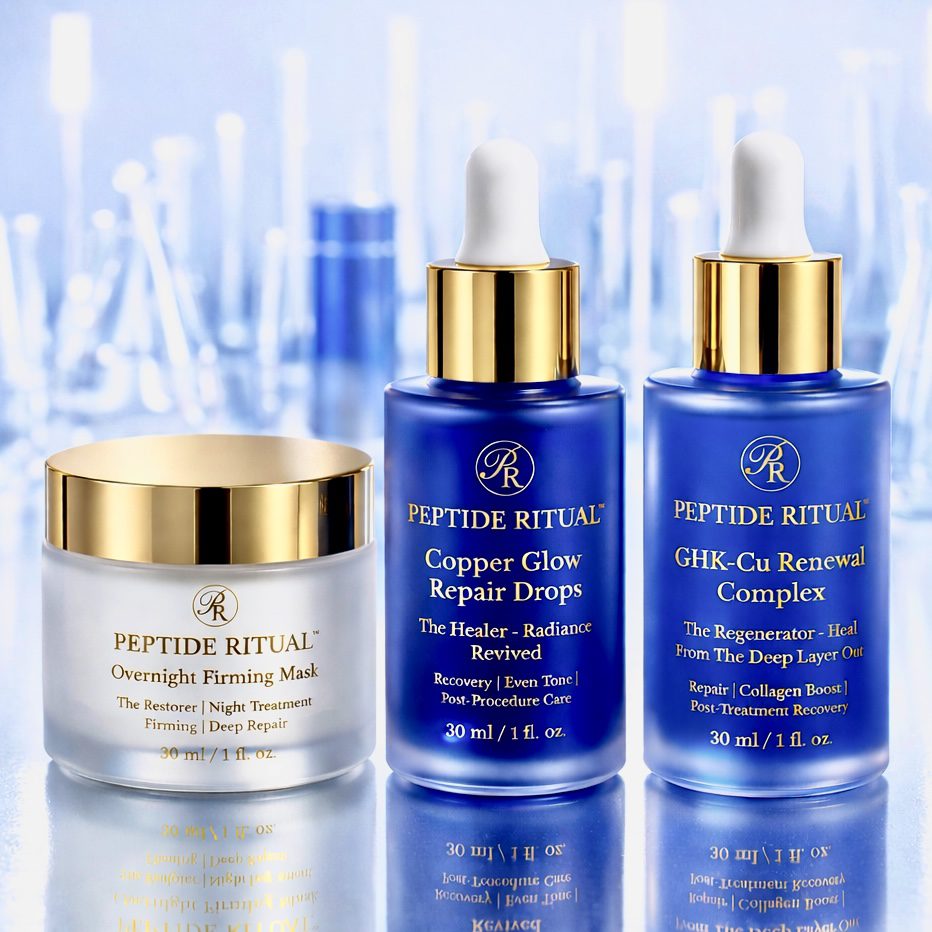
peptide skincare routine

Best Peptides for Skin You Should Know

Not all peptides are created equal. Some have standout data and are worth watching for on ingredient lists:

  • GHK‑Cu (Copper Peptide): Known for helping with skin repair, firmness, and overall tone. It’s often used in serums aimed at “pro‑aging” or skin recovery.
  • Matrixyl (Palmitoyl Pentapeptide/Palmitoyl Tetrapeptide): A popular peptide complex that targets fine lines and wrinkles by supporting collagen production, often featured in focused formulas like a wrinkle reset serum.
  • Argireline (Acetyl Hexapeptide‑8): Often called a “topical relaxer,” this peptide is used around expression lines like the forehead and crow’s feet to help soften their appearance over time.


For an easy way to try GHK‑Cu, Matrixyl, and Argireline together, explore the peptide‑powered formulas from Peptide Radiance.

Step‑by‑Step Peptide Skincare Routine (Morning and Night)

Here’s a simple, plug‑and‑play peptide routine most people can follow.

Morning routine:

  • Cleanser – Use a gentle, non‑stripping face wash.
  • Toner or essence – Optional, but helpful for light hydration.
  • Peptide serum – Apply a thin layer of your peptide serum on slightly damp skin; if you want something specifically designed for firmness and texture, reach for a firming peptide concentrate.
  • Moisturizer – Lock everything in with a lightweight cream (this is a great place to feature your peptide moisturizer).
  • Sunscreen – Always finish with SPF 30 or higher to protect the collagen you’re trying to build.

Night routine:

  • Makeup remover/cleanser – Thoroughly remove SPF, makeup, and oil.
  • Exfoliant (2–3x/week) – Use a mild chemical exfoliant on alternate nights to keep skin smooth.
  • Peptide serum – Focus on areas with fine lines or dryness, then spread over the full face.
  • Night cream – A richer peptide night cream can support overnight repair and hydration.


To monetize softly, position your products as the “obvious choice” at serum and moisturizer steps, with brief benefit‑driven mentions.
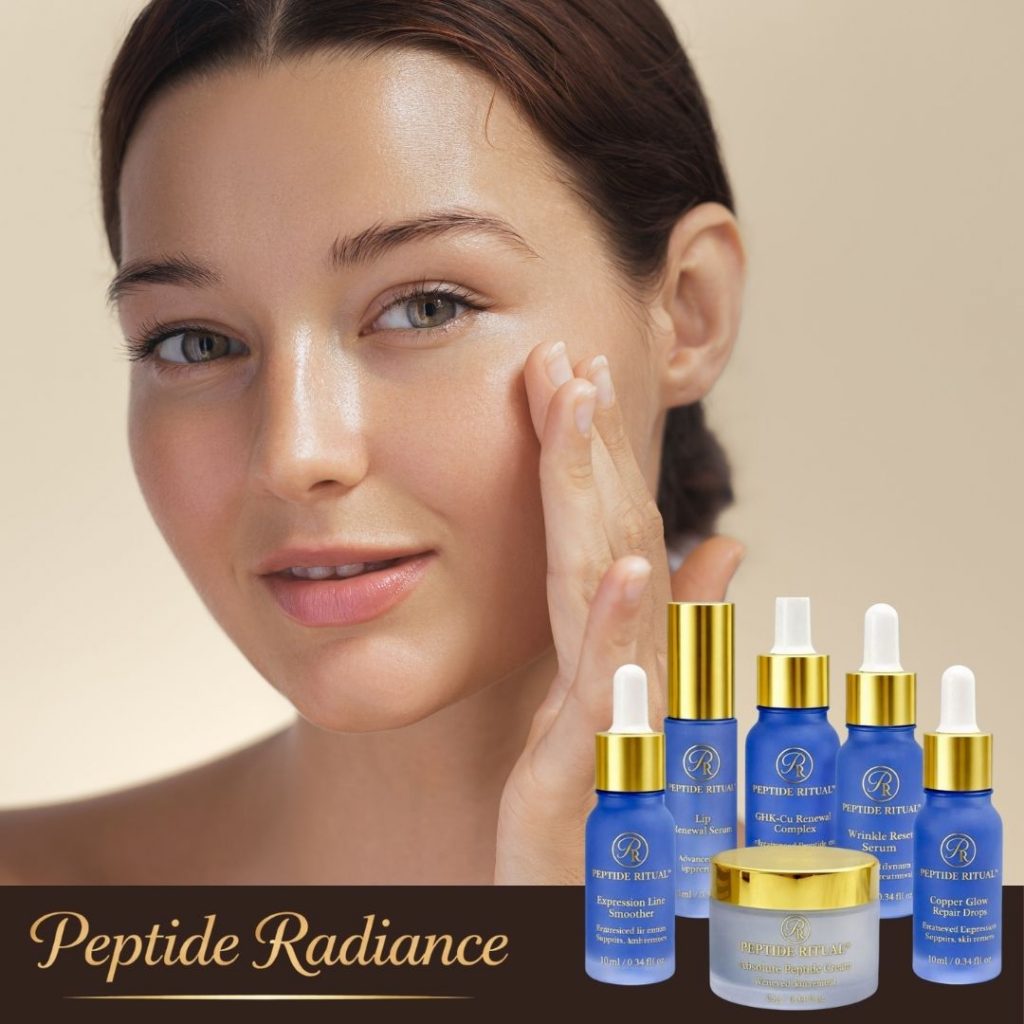
What Not to Mix with Peptides

Peptides are usually easy to layer, but there are a few combinations worth being careful with:

  • Strong, low‑pH acids (high‑strength AHAs/BHAs): These can sometimes destabilize certain peptides and may increase irritation in sensitive skin. It’s safer to use acids on alternate nights or in a different routine step.
  • High‑strength retinoids in the same step: You can absolutely use both in one routine, but many people prefer retinoids at night and peptides in the morning, or layering peptides first and sealing with moisturizer after retinoids to reduce irritation.
  • Overloaded “everything” routines: Throwing every active at your skin at once can backfire. Keep peptides as your calm, supportive step rather than stacking them with multiple other strong actives in the same layer.

If you want to be extra safe, alternate strong exfoliation nights with “peptide recovery” nights focused on hydration and barrier support.

How Long Before You See Peptide Results?

Peptides are not an overnight fix, and that’s where expectations often go wrong. Most people start to notice subtle improvements in texture and hydration in about 3–4 weeks with consistent, twice‑daily use.

For visible changes in firmness and fine lines, it’s more realistic to think in terms of 8–12 weeks of regular use. Photos taken a month or two apart can help you track progress better than the mirror. Remind readers that skincare is like going to the gym: steady, repeated effort gives better results than quick, intense bursts.
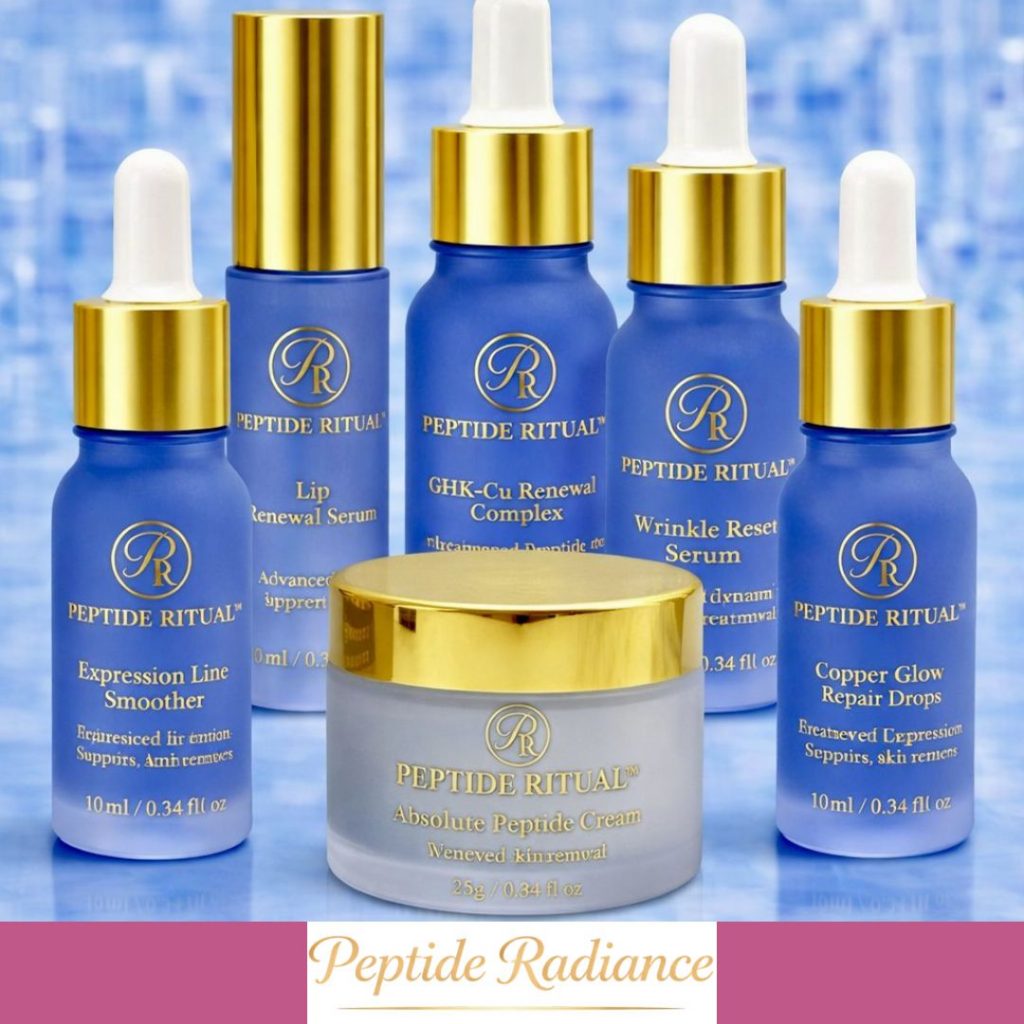
Best Peptides for Anti-Aging

Common Peptide Skincare Mistakes to Avoid

A lot of users sabotage their own results without realizing it. Some of the most common peptide mistakes include:

  • Inconsistent use: Skipping days or only applying when skin “looks bad” won’t give peptides enough time to work.
  • No sunscreen: Building collagen with peptides while letting UV break it down is like filling a bucket with a hole in the bottom.
  • Over‑exfoliating: Too much acid or scrubbing can damage your barrier, making it harder for peptides to do their job.
  • Constant product hopping: Swapping peptide products every couple of weeks doesn’t allow you to see what’s actually working.

A simple message that converts well: stick with one solid peptide routine for at least three months before judging or switching.

FAQ: How to Use Peptides in Your Skincare Routine

Yes. Most peptide serums and creams are gentle enough for daily, even twice‑daily use, as long as your skin isn’t irritated.

Use peptide serums on clean, slightly damp skin before moisturizer. If your moisturizer contains peptides, apply it as your final step before sunscreen in the morning.

You can. Many people use retinol at night and peptides in the morning, or layer a peptide moisturizer after retinol to soothe and support the skin barrier.

They do different jobs. Vitamin C is great for brightening and antioxidant protection, while peptides focus more on support, firmness, and repair. You can absolutely use both in one routine.

Most people start in their mid‑20s to early 30s as a preventative step, but peptides are helpful at almost any age if your goal is healthier, stronger skin.