
Aging is a beautiful privilege, but let’s be honest: discovering a new crease where your skin used to be perfectly smooth can catch you a bit off guard. As time goes on, our skin naturally undergoes structural changes, leading to the gradual development of fine lines and wrinkles.
While we can’t stop the clock, modern anti-aging skincare has evolved far beyond empty promises and aggressive, skin-stripping chemicals. Enter peptides. No longer just a passing industry buzzword, these tiny powerhouse molecules have become a true staple for anyone looking to maintain a bouncy, younger-looking complexion without the dreaded irritation of traditional treatments.
To understand how peptides function in skincare, it helps to think of them as your skin’s personal biological messengers. Scientifically speaking, peptides are short chains of amino acids—the fundamental building blocks required to produce essential skin proteins like collagen, elastin, and keratin.
When applied topically via a high-quality serum or a dedicated peptide cream for wrinkles, these molecules sink in and send targeted signals to your skin cells, prompting them to ramp up production of fresh collagen. Why does collagen matter so much? It is the structural scaffolding that keeps your skin firm, plush, and resilient. Because our natural collagen production drops steadily as we blow out more birthday candles, introducing external signaling molecules is a brilliant way to keep your skin acting young.
The short answer? Yes, absolutely. While they won’t completely mimic the instantaneous effects of an in-office clinical injectable, utilizing peptides for wrinkles can dramatically transform your skin’s surface texture and elasticity over time.
Regular use of specialized peptides helps to:
A Quick Reality Check: You won’t wake up with a brand-new face tomorrow. Peptides work through gradual maintenance. Most users see an uptick in baseline hydration and a subtle softening of fine lines within 2 to 4 weeks, while significant reductions in wrinkle depth typically take 8 to 12 weeks of dedicated use.
When building an age-defying arsenal, the showdown of peptides vs retinol always takes center stage. Both are exceptional at what they do, but they approach skin structural health from completely different angles.
Feature | Peptides | Retinol (Vitamin A) |
Primary Mechanism | Signals cells to repair and build fresh collagen | Accelerates cellular turnover and resurfaces skin |
Skin Irritation | Extremely low; deeply soothing | High risk of peeling, redness, and purging |
Sun Sensitivity | None; safe for morning and night use | Increases sensitivity; strictly for evening use |
If you have highly reactive, dry, or sensitive skin, peptides are the clear winner because they strengthen the skin barrier instead of taxing it. However, you don’t actually have to choose between them. They make the ultimate power couple: retinol works hard to resurface the skin at night, while your daily peptide ritual steps in to soothe, repair, and hydrate.
Not all peptide products are created equal. When hunting for the ideal peptide cream for wrinkles, you want a formula that prioritizes deep absorption and barrier support. Look for multi-peptide complexes combined with deeply hydrating, skin-identical ingredients like hyaluronic acid, squalane, or ceramides. Because peptides need a healthy, well-hydrated moisture barrier to deliver their signals effectively, these supporting ingredients are non-negotiable.
Adding peptides to your daily regimen is incredibly easy due to their high stability and gentle nature.
In summary, peptides offer a wealth of anti-aging benefits, from boosting collagen synthesis to reinforcing a compromised skin barrier. They remain a highly popular anti-aging ingredient because they provide visible, science-backed results without the risk of irritation, making them a worthy, foundational asset for any mature skincare routine.
Initial surface hydration and plumping can be seen within 2 to 4 weeks. For visible reductions in deeper expression lines, consistent daily use for 8 to 12 weeks is required.
Neither is inherently better; they simply work differently. Retinol resurfaces the skin and speeds up cell turnover, while peptides focus on structural repair and hydration.
Yes! Unlike acids or retinoids, peptides do not cause thinning or irritation, making them perfectly safe and highly recommended for daily use, both morning and night.
The best formulas combine biomimetic signaling peptides with barrier-supporting ingredients like ceramides and hyaluronic acid to ensure optimal delivery and deep hydration.
Yes. They act as cellular messengers that explicitly signal the skin to manufacture new collagen and elastin proteins.
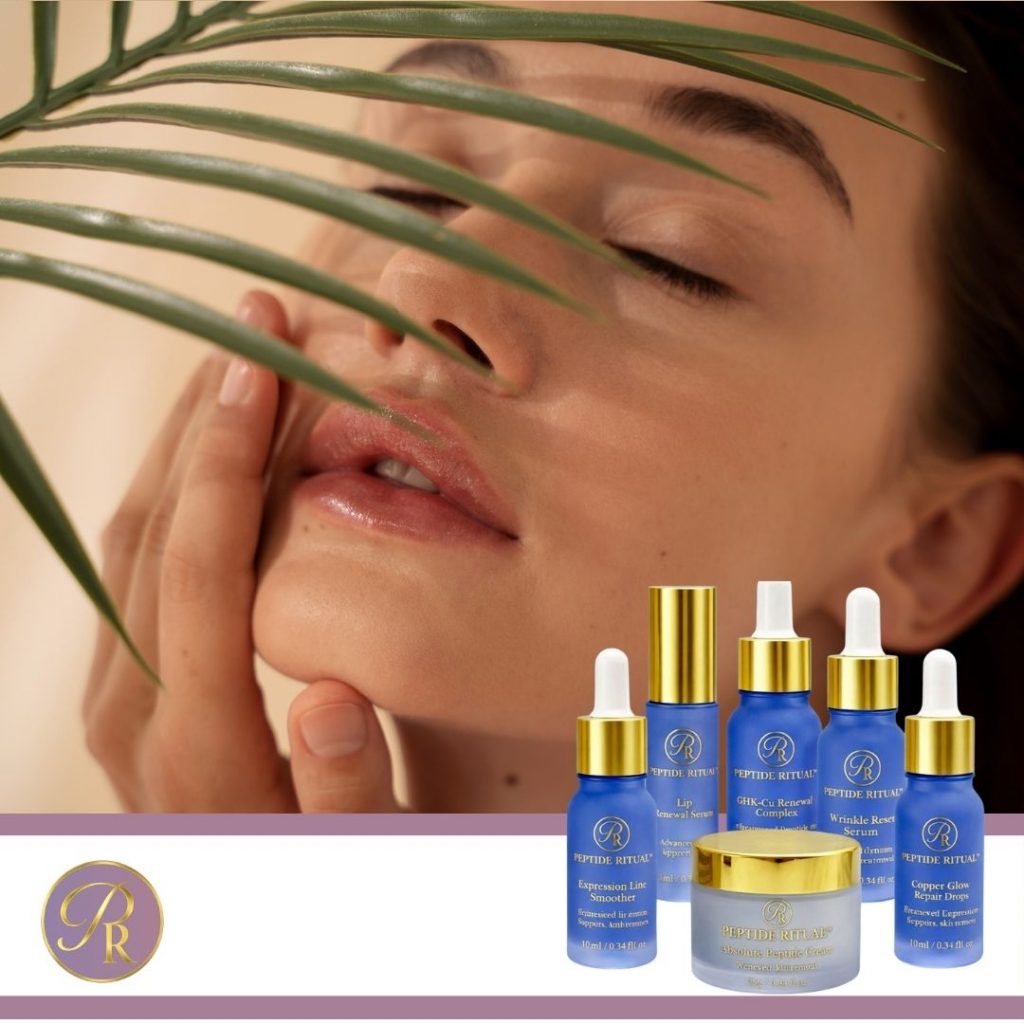
Try the Wrinkle Reset Serum and Expression Line Smoother from Peptide Radiance to help support firmer, smoother, younger-looking skin.

Transforming skin through the science of peptides. Clinical results, naturally derived.