
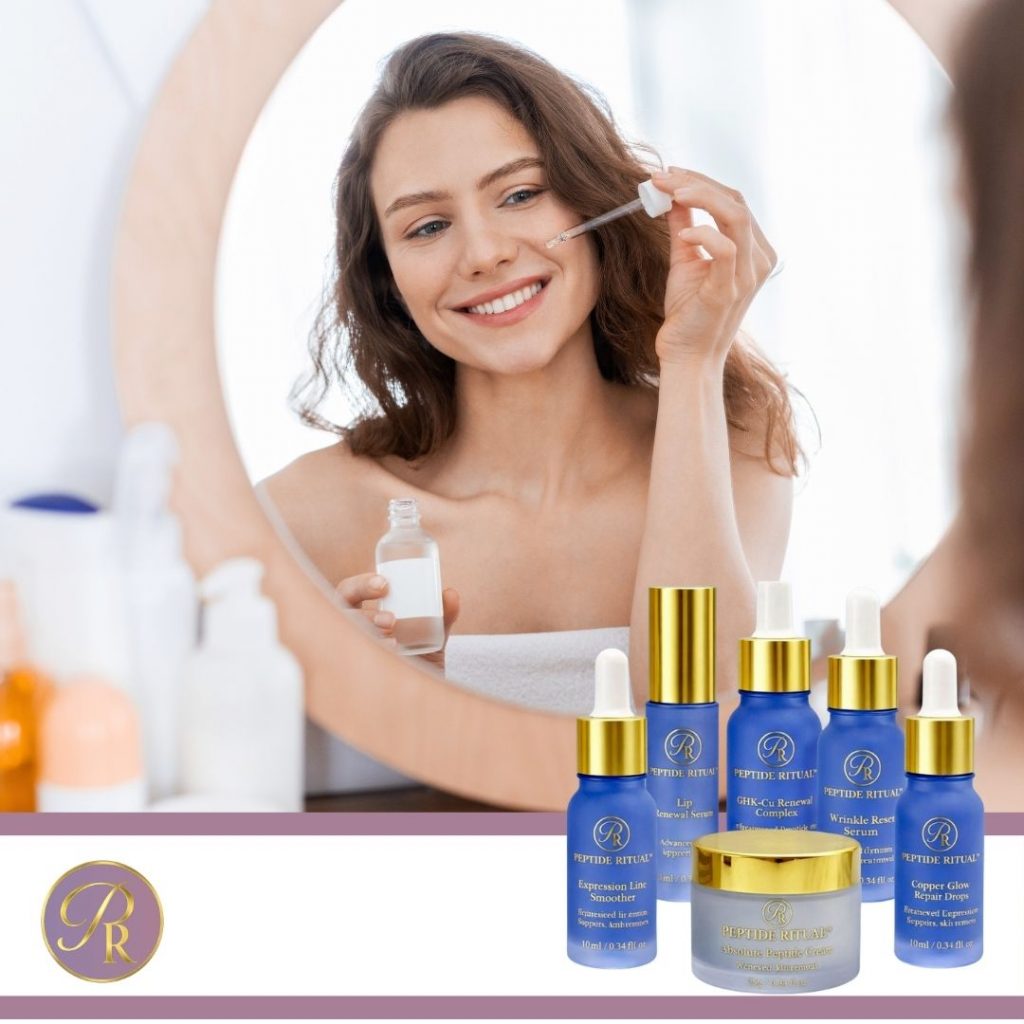
Peptides are widely celebrated as some of the most effective anti-aging skincare ingredients available today. However, because we live in a world of quick-fix beauty treatments, many people expect overnight results. If you are standing in front of the mirror wondering, how long do skin peptides take to work, the reality is that they are rebuilders, not disruptors.
While you might want instant gratification, patience truly pays off. Here is a realistic look at your peptide serum timeline, when peptides work structurally, and when you can finally expect to see those coveted peptide cream results.
Peptides are short chains of amino acids, which serve as the fundamental building blocks of proteins in your body. When applied topically, they act as messengers. They communicate with your skin cells, signaling them to ramp up the production of structural proteins like collagen and elastin. By promoting these proteins, peptides support the skin’s structural integrity, leading to a firmer, bouncier, and more resilient complexion.
Want to dive deeper into how different variations work? Read our complete Types of Skin Peptides Guide.
During the first two weeks, you won’t see dramatic anti-aging transformations, but your skin is actively absorbing the ingredients. You will likely notice:
As the cellular signaling continues, you will start to feel the early peptide skincare results.
This is the sweet spot where the biological work becomes visible to the naked eye.
Skincare is a marathon, not a sprint. At this stage, you will experience:
Your personal timeline will vary based on several key factors:
To maximize your routine and ensure you aren’t leaving any benefits on the table:
Avoid these pitfalls to keep your skin on track:
One of the best things about peptides is their universal compatibility.
Cellularly, it starts working immediately. Visibly, you will notice hydration improvements in 1–2 weeks, and structural firming after 6–8 weeks.
No. Retinol accelerates cell turnover, which can yield faster surface-level results (often accompanied by peeling). Peptides work biologically to rebuild proteins, which takes more time but causes less irritation.
Absolutely. In fact, you should use them every day. Twice-daily application is recommended for the best results.
No. Think of peptides like going to the gym. As long as you maintain the routine, your skin remains firm.
If you stop applying them, the signals telling your skin to produce extra collagen will cease. Over time, your skin will gradually revert to its natural aging process.
At the end of the day, peptides require consistency above all else. Most people notice a boost in hydration within the first few weeks and visibly firmer-looking skin after 6–12 weeks of dedicated use. Stay patient, maintain your daily routine, protect your skin from the sun, and the long-term structural benefits will be well worth the wait!

Transforming skin through the science of peptides. Clinical results, naturally derived.