
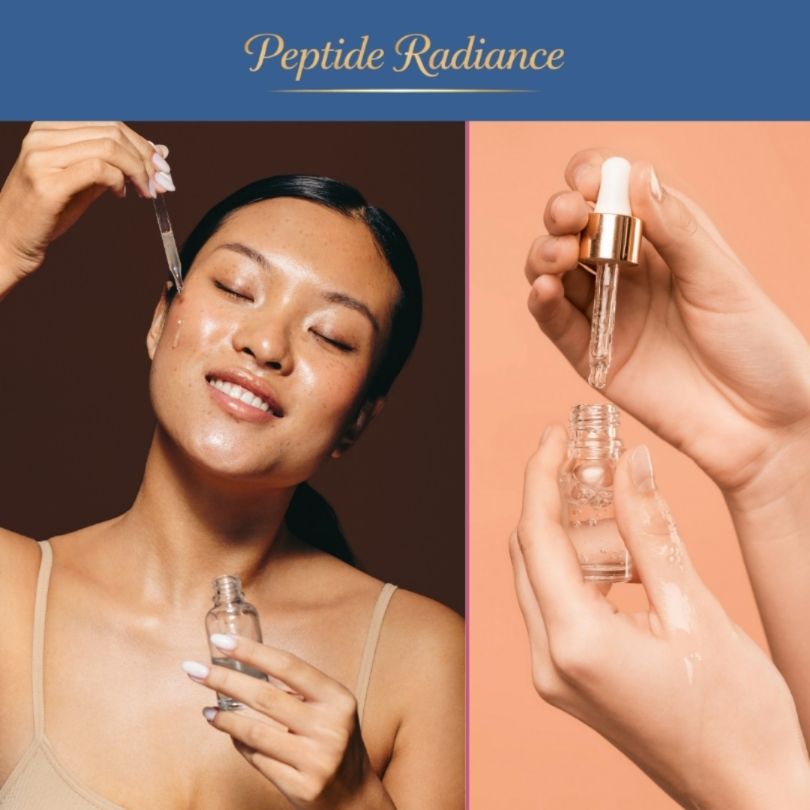
What do peptides do for your skin? Simply put, peptides are short chains of amino acids that serve as the fundamental building blocks for crucial skin proteins like collagen, elastin, and keratin. When applied topically, they act as cellular messengers, signaling your skin to produce more collagen and initiate repair processes. This targeted action helps firm the complexion, improve elasticity, strengthen the skin’s natural barrier, and visibly minimize fine lines. By adding peptides for skin into your daily regimen, you effectively transform a tired, aging complexion into a resilient, plump, and youthful-looking glow.
To grasp how these ingredients function, it helps to understand your skin’s structure. Collagen is the most abundant protein in the body, responsible for your skin’s thickness and suppleness. Unfortunately, natural collagen production declines as we age, starting in our mid-20s. Environmental stressors like UV rays and pollution accelerate this breakdown, leading to sagging and wrinkling.
Because intact collagen molecules are too large to penetrate the skin’s surface topically, formulators turn to peptides. Peptides are much smaller, easily sinking into the upper layers of the epidermis. Once absorbed, they trick your body into thinking it has lost collagen and urgently needs to generate more. This unique “signaling” ability makes them a coveted ingredient in modern aesthetics.
Formulators use different classes of peptides to achieve specific results:
If you want to revitalize your complexion, peptide skincare benefits are vast and well-researched. Here is how they improve your skin’s overall health:
The primary claim to fame for these amino acids is their ability to stimulate collagen synthesis. By encouraging cells to generate fresh collagen, they restore the structural integrity that keeps your face plump and firm.
When you use peptides for wrinkles, you address the structural loss that causes deep creases. By reinforcing the extracellular matrix, they plump the skin from the inside out, making existing wrinkles shallower while actively preventing new lines.
Your skin barrier defends against bacteria, UV rays, and pollution. Over-exfoliation and harsh weather can compromise this barrier, leading to dryness. Structural peptides help build a stronger defense system, reducing water loss and keeping irritation away.
Certain peptides possess powerful soothing properties that visibly reduce inflammation. This makes them beneficial for sensitive or rosacea-prone skin, helping to even out tone and calm reactivity.
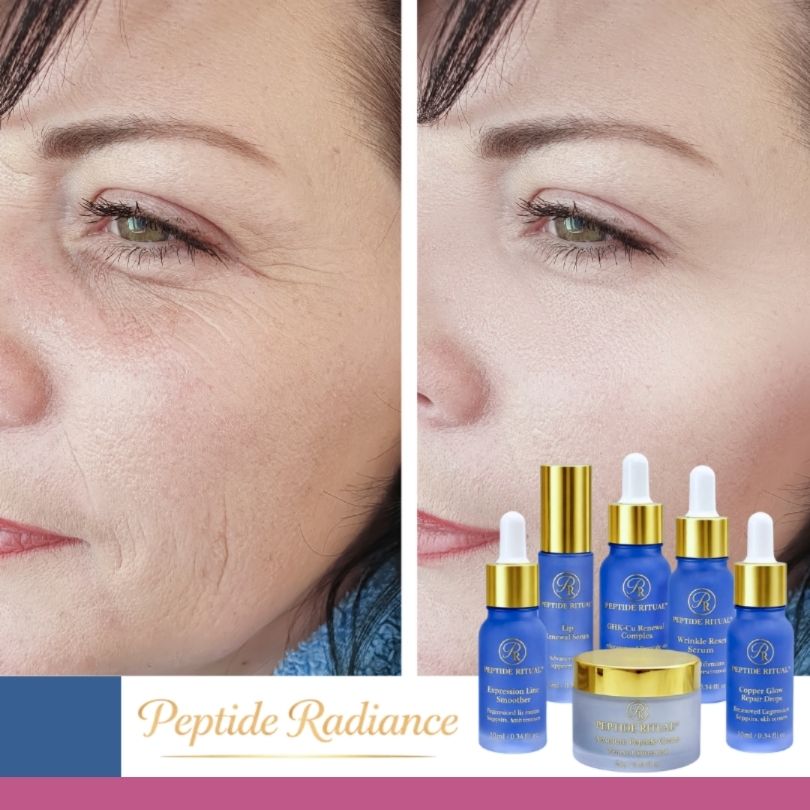
As we enter our 30s and 40s, the visible signs of volume loss become apparent. Using peptides for aging skin is an effective, non-invasive strategy to combat this process. Unlike harsher active ingredients such as high-strength retinoids, anti-aging peptides are generally well-tolerated by all skin types. They do not cause peeling, excessive dryness, or sun sensitivity.
Instead of forcing cell turnover through irritation, they work cooperatively with your body’s biology. Combining multiple types of peptides ensures comprehensive cellular rejuvenation, resulting in a thicker, bouncier dermis that resists gravity.
Adding peptide skincare to your regimen is easy because it plays well with other ingredients like hyaluronic acid, niacinamide, and Vitamin C.
For the best results, rely on leave-on products so the ingredients have time to absorb.
Unsure how to layer these products? Check out our Educational Skincare Guides for expert routine tips.
Typically, it takes about 4 to 12 weeks of consistent daily use to see noticeable improvements in skin firmness and a reduction in fine lines. Because they work by stimulating natural collagen production, the physical changes in the skin are gradual but highly effective and long-lasting.
Yes, peptides are incredibly versatile and stable. You can safely use them alongside Vitamin C in the morning for antioxidant protection, and pair them with Retinol at night to maximize your collagen-building benefits without causing additional irritation to the skin barrier.
Absolutely. Because peptides are naturally occurring building blocks already found in the body, they are very gentle and well-tolerated by sensitive, reactive, and acne-prone skin types. They can even help soothe the inflammation and redness associated with active breakouts.
While both are vital for youthful skin, full collagen molecules are too large to be absorbed through the skin’s surface when applied topically. Peptides, however, are smaller fragments of collagen (amino acid chains) that easily penetrate the skin to directly signal your cells to produce brand-new collagen.

Transforming skin through the science of peptides. Clinical results, naturally derived.